Intro: AI Is Hiring People Now – But Is It Fair?
A few years ago, hiring was simple. You sent your CV, waited for a call, and hoped a human would read it.
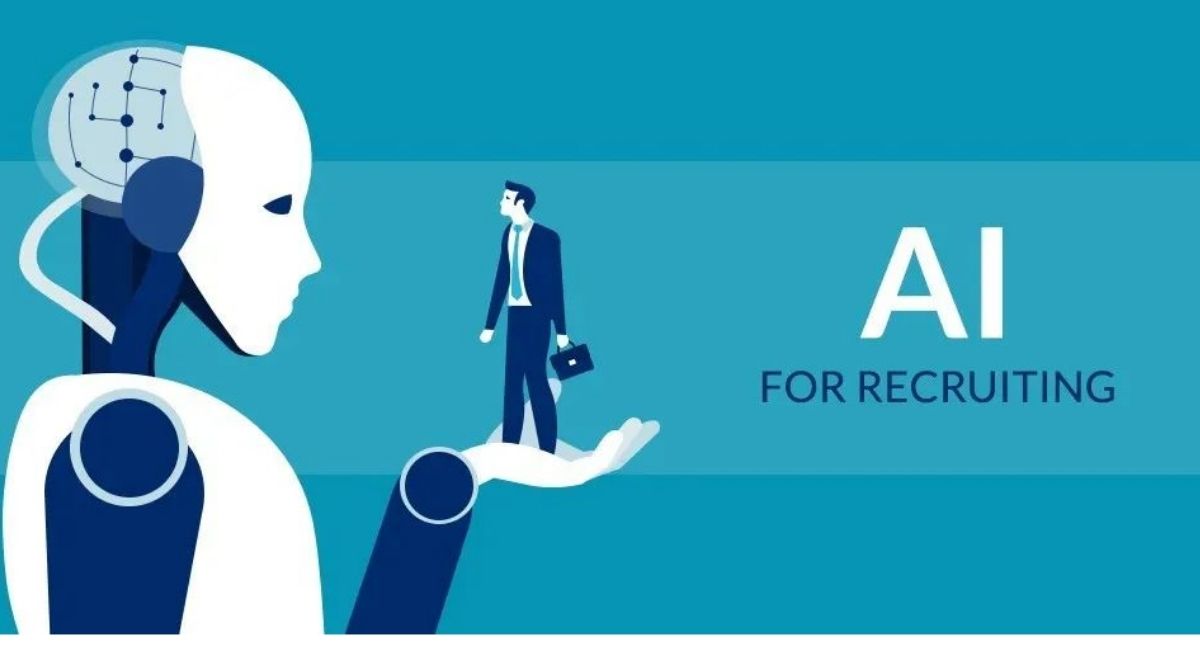
But today, AI is often the first “person” judging your resume.
In my experience, many job seekers don’t even realize that AI tools scan their CVs before HR ever sees them. This sounds smart and fast, but it also raises a big question:
👉 Is AI making recruitment better, or is it creating new problems?
In this article, we’ll talk honestly and simply about how AI is changing recruitment and HR, the ethical issues behind it, and what companies and job seekers should know.
What Is AI Recruitment and HR Automation?
AI in recruitment means using software and algorithms to help HR teams with tasks like:
- Screening resumes
- Shortlisting candidates
- Scheduling interviews
- Analyzing employee performance
- Predicting hiring needs
Instead of reading 1,000 CVs manually, AI can do it in minutes.
Sounds great, right?
Yes… but only if it’s used correctly.
How AI Is Helping HR Teams (The Good Side)
Let’s start with the positive side, because AI does have benefits.
1. Faster Hiring Process
AI saves time.
HR teams can shortlist candidates in hours instead of weeks.
Example:
If a company receives 5,000 applications, AI can quickly filter candidates based on skills and experience.
2. Reduced Human Bias (Sometimes)
Humans have emotions and personal preferences.
AI, in theory, focuses only on data.
In some cases, AI helps reduce bias related to:
- Age
- Gender
- Appearance
3. Better Candidate Matching
AI tools analyze job descriptions and match them with candidate skills.
This improves the chance of right person for the right job.
Ethical Problems of AI in Recruitment (The Real Issues)
Now let’s talk about the part no one likes to discuss openly.
1. AI Can Learn Bias from Data
AI is trained on old data.
If past hiring decisions were biased, AI learns that bias.
Example:
If a company mostly hired men in the past, AI may automatically prefer male candidates — even without intention.
This is one of the biggest ethical risks.
2. Lack of Transparency
Many candidates don’t know:
- Why they were rejected
- What AI criteria were used
This feels unfair and frustrating.
👉 A human rejection feels personal. An AI rejection feels confusing.
3. Privacy Concerns
AI tools collect a lot of data:
- Resume details
- Online behavior
- Video interviews (facial expressions, voice tone)
If this data is misused or leaked, it becomes a serious privacy issue.
AI Video Interviews: Helpful or Harmful?
Some companies use AI to analyze video interviews.
AI may judge:
- Facial expressions
- Body language
- Voice confidence
In my opinion, this is risky.
Why?
- Not everyone expresses emotions the same way
- Cultural differences matter
- Nervous candidates may be unfairly judged
A smart person can be rejected just because they don’t “look confident” on camera.
How HR Teams Can Use AI Ethically
AI is not bad.
Using AI blindly is bad.
Here are some ethical best practices HR teams should follow:
✔ Human + AI Combination
AI should assist, not replace, humans.
Final decisions should always involve real people.
✔ Regular Bias Audits
Companies should test AI systems regularly to check:
- Gender bias
- Racial bias
- Age bias
✔ Clear Communication
Candidates deserve transparency:
- Inform them AI is being used
- Explain basic selection criteria
✔ Data Privacy Protection
Candidate data must be:
- Secure
- Limited
- Used only for hiring purposes
Tips for Job Seekers Dealing with AI Hiring Systems
If you’re applying for jobs, AI is already part of your journey. Here’s how you can adapt:
🔹 Optimize Your Resume for AI
- Use simple fonts
- Avoid fancy graphics
- Match keywords from the job description
🔹 Be Honest and Clear
AI checks consistency.
Fake skills can be detected easily.
🔹 Prepare for Video Interviews
- Good lighting
- Clear audio
- Calm and natural answers
Don’t try to act like a robot. Be yourself.
AI & Ethics: What the Future Looks Like
AI in HR is not going away.
In fact, it will become more powerful and more common.
The future depends on one thing:
👉 Will companies choose fairness over convenience?
If AI is used responsibly, it can create:
- Fairer hiring
- Better opportunities
- More inclusive workplaces
But without ethics, AI can silently create discrimination at scale.
FAQs – Quick Answers
Is AI replacing HR jobs?
No. AI is changing HR roles, not replacing them. Humans are still needed for decisions.
Can AI reject good candidates?
Yes, if it’s poorly trained or biased.
Is AI hiring legal?
Yes, but companies must follow data protection and fairness laws.