Intro
Have you noticed how robots are no longer just part of science fiction movies? A few years ago, we used to see robots only in films or big factories. But now, robotics and physical AI are slowly becoming part of our daily lives. From smart vacuum cleaners in our homes to robots helping doctors in hospitals, this technology is expanding very fast.
In my experience, technology grows quietly at first — and then suddenly it feels like it’s everywhere. That’s exactly what’s happening with robotics and physical AI. Let’s understand what this means in simple words and why it matters for you and me.
What Is Robotics & Physical AI?
Robotics – The Body
Robotics is the field where machines are designed to move, lift, walk, or perform physical tasks. In simple words, a robot is like a machine with a body.
For example:
- Factory robots that assemble cars
- Cleaning robots in homes
- Delivery robots in some cities
These robots can move and perform tasks, but they need instructions.
Physical AI – The Brain
Physical AI is the intelligence that helps robots understand and react to the real world. It is like giving a brain to a robot.
Physical AI helps robots:
- Recognize objects
- Understand voice commands
- Avoid obstacles
- Make decisions
When robotics (body) and AI (brain) combine, we get smart machines that can work almost like humans — sometimes even faster and more accurately.
Why Robotics & Physical AI Are Expanding So Fast
There are several reasons behind this rapid growth.
1. Better Artificial Intelligence
Modern AI systems like those developed by companies such as OpenAI and Boston Dynamics have improved how machines learn and adapt. Robots can now see, listen, and respond more naturally.
For example, robots can now:
- Walk without falling
- Pick up fragile objects
- Understand basic conversations
This was very difficult just 10 years ago.
2. Shortage of Human Labor
Many industries are facing worker shortages. In warehouses, farms, and factories, robots are helping fill that gap.
In my opinion, robots are not replacing humans completely. Instead, they are helping in tasks that are:
- Dangerous
- Repetitive
- Physically exhausting
For example:
- Mining robots work in risky underground areas
- Farming robots harvest crops
- Warehouse robots move heavy packages
Humans can then focus on smarter, creative, and supervisory work.
3. Growth of Smart Homes
Smart homes are becoming common. Devices like robotic vacuum cleaners, smart security systems, and automated lawn mowers are now affordable.
You might already be using:
- Voice assistants
- Smart lights
- Smart cameras
These are small examples of physical AI in action. And this trend is expanding quickly.
Real-Life Examples of Robotics & Physical AI
1. Healthcare Robots
In hospitals, robots assist doctors during surgery. They provide better precision and reduce human error.
Robots are also used for:
- Delivering medicine inside hospitals
- Assisting elderly people
- Rehabilitation therapy
In my experience, this is one of the most positive uses of robotics. It improves patient safety and saves lives.
2. Delivery & Logistics Robots
Some companies are testing self-driving delivery robots in cities. These robots can bring food or parcels directly to your home.
Imagine ordering food and a small robot arrives at your door. Sounds futuristic? It’s already happening in some parts of the world.
3. Industrial & Manufacturing Robots
Factories have been using robots for years, but now they are smarter than ever.
Modern robots can:
- Detect mistakes
- Adjust movements automatically
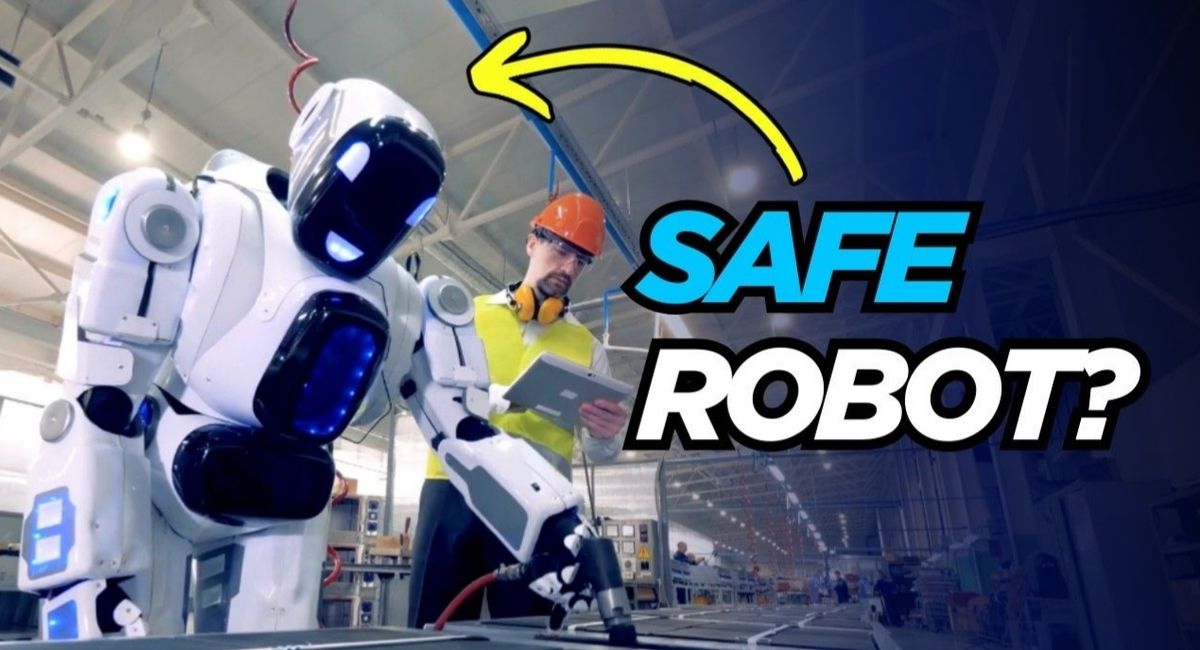
- Work safely alongside humans
This is called collaborative robotics, where humans and robots work together.
Benefits of Robotics & Physical AI Expansion
Let’s look at the main advantages:
- Increased productivity
- Better accuracy
- Improved safety
- 24/7 working capability
- Reduced long-term costs
For businesses, this means higher profits. For customers, it means faster service and sometimes lower prices.
Challenges and Concerns
Every technology has pros and cons.
1. Job Concerns
Some people worry that robots will take jobs. While some tasks may disappear, new jobs are also being created in:
- Robot maintenance
- AI programming
- System monitoring
You can also learn robotics or AI skills to stay ahead.
2. Ethical & Safety Issues
If a robot makes a mistake, who is responsible? These are important questions governments and companies are still discussing.
Safety systems are improving, but strict rules are needed as this technology expands.
Tips: How You Can Prepare for the Robotics Future
If you are a student or professional, here are some simple tips:
- Learn basic coding skills
- Understand how AI works
- Follow tech news regularly
- Explore online robotics courses
You don’t need to become an engineer. Even basic knowledge can help you understand future opportunities.
In my experience, those who adapt early always benefit more.
Future of Robotics & Physical AI
The expansion is just beginning. In the next 10–20 years, we may see:
- Home assistant robots that cook and clean
- Self-driving public transport
- Robotic construction workers
- AI-powered farming systems
Technology that once looked impossible is now becoming normal.
The key point is this: robotics and physical AI are not just trends. They are shaping the future of how we live and work.
FAQs
What is physical AI in simple words?
Physical AI is artificial intelligence that controls machines and robots so they can interact with the real world.
Are robots replacing humans?
Not completely. Robots usually handle dangerous or repetitive tasks, while humans focus on creative and decision-making work.
Is robotics a good career option?
Yes, robotics and AI are growing fields with strong future demand.
Conclusion
Robotics & Physical AI expansion is not something far away — it’s already happening around us. From smart homes to hospitals and factories, robots are becoming part of our daily lives.
In my experience, technology is not something to fear. It’s something to understand and use wisely. If we learn new skills and stay updated, we can benefit from this powerful change.
Now I would love to hear from you —
What do you think about robots in daily life? Are you excited or worried? Share your thoughts in the comments below and let’s discuss the future together 😊