
Intro
Have you ever thought about what happens behind the screen when you scroll social media, stream a movie, or use an AI tool? Most of us only see the front side — fast internet, smart apps, and cool gadgets. But behind all this technology, there is energy usage, data centers, electronic waste, and environmental impact.
In my experience, many people love technology but rarely think about how it affects our planet. The good news is that we can enjoy technology and protect the environment at the same time. That’s where sustainability and tech responsibility come in.
In this article, I will explain everything in simple and clear language so even a beginner can understand. Let’s explore how technology can become more eco-friendly and what we can do about it.
What is Sustainability in Technology?
Sustainability means using resources in a way that does not harm the future. In simple words, it means:
- Using less energy
- Reducing waste
- Protecting nature
- Thinking long-term
When we talk about sustainability in tech, we mean creating and using technology in a way that does not damage the environment.
For example:
- Using renewable energy in data centers
- Designing devices that last longer
- Recycling old electronics
Big companies like Apple Inc. and Google have started investing in renewable energy projects. They are trying to reduce carbon emissions from their offices and servers.
But responsibility is not only for big companies — it’s for all of us.
Why Tech Responsibility is Important
Technology is growing very fast. Artificial Intelligence, cloud computing, blockchain, and smart devices are everywhere. But more technology also means:
- More electricity consumption
- More data storage
- More electronic waste (e-waste)
Did you know that data centers consume huge amounts of electricity? Every time we upload a photo or send an email, it gets stored somewhere in a server that needs power 24/7.
If this electricity comes from coal or gas, it increases pollution.
That’s why tech responsibility matters. It means:
- Companies must design eco-friendly systems
- Developers should write efficient code
- Users should use devices wisely
In my opinion, small changes from millions of people can create a big difference.
The Problem of E-Waste


4
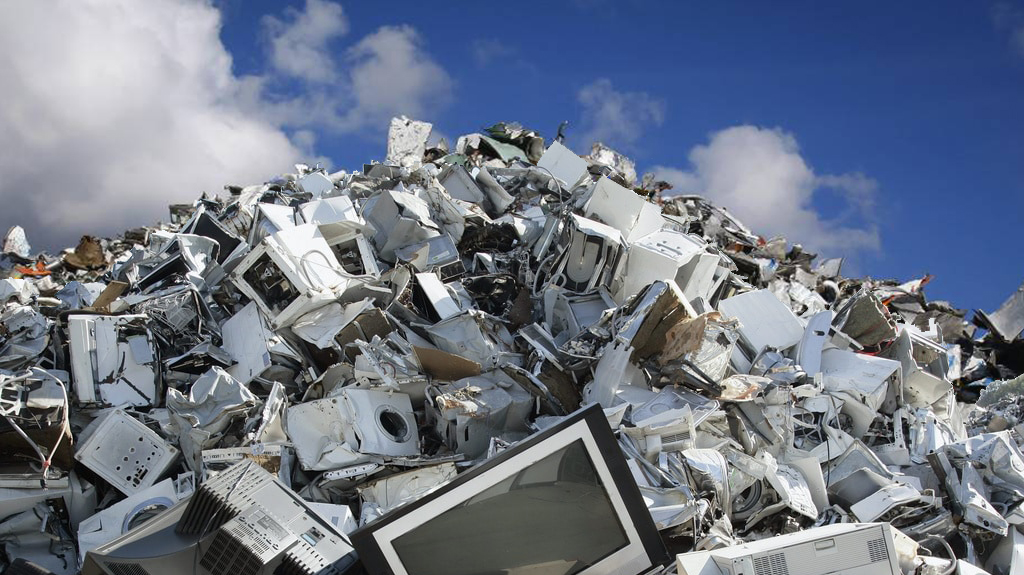
Electronic waste is one of the fastest-growing waste types in the world.
E-waste includes:
- Old smartphones
- Broken laptops
- Damaged chargers
- Outdated TVs
Many people change phones every year. But what happens to the old device?
Often, it ends up in landfills. These devices contain harmful chemicals like lead and mercury, which can damage soil and water.
Simple Solutions You Can Follow
- Use your phone for 3–4 years instead of changing yearly
- Repair instead of replacing
- Sell or donate old devices
- Use certified recycling programs
From my experience, repairing a phone battery is much cheaper than buying a new phone. You can try this too.
How Companies Are Becoming More Sustainable


4
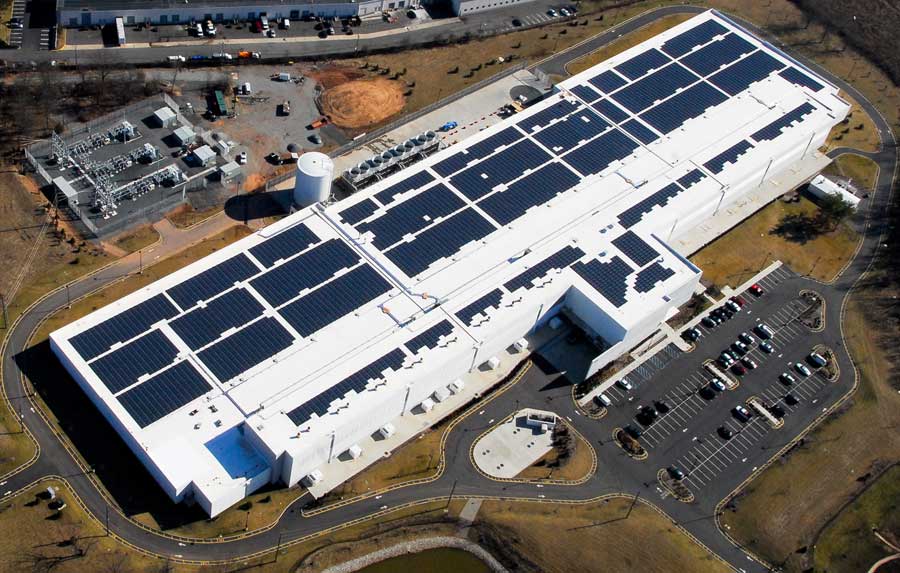
Many tech companies are now focusing on green innovation.
Here’s how:
1. Renewable Energy
Companies are using solar and wind power to run offices and data centers.
2. Carbon Neutral Goals
Some companies aim to become “carbon neutral,” meaning they remove as much carbon as they produce.
3. Eco-Friendly Packaging
Reducing plastic packaging and using recycled materials.
4. Energy-Efficient Devices
New laptops and smartphones use less power than older models.
For example, companies like Microsoft have announced sustainability goals to reduce their environmental footprint in the coming years.
This shows that the industry is slowly moving in the right direction.
Role of Developers and Tech Professionals
If you are a developer or planning to become one, you also have a role.
Here’s how:
- Write optimized code (efficient code uses less server power)
- Avoid unnecessary data storage
- Use green hosting services
- Build apps that promote sustainability
For example, apps that track electricity usage or carbon footprint can help people reduce consumption.
In my experience, learning “green coding” practices is becoming a valuable skill in 2026.
What Regular Users Can Do
You don’t need to be a tech expert to make a difference.
Here are simple tips:
- Turn off devices when not in use
- Lower screen brightness
- Use power-saving mode
- Delete unused files and emails
- Unsubscribe from unnecessary newsletters
Even small actions like cleaning your cloud storage reduce data load on servers.
You might think this is small — but imagine if millions of users do the same.
SEO & Google Discover Tips for Sustainability Articles
If you are writing about sustainability and tech responsibility on your blog, here are some tips for better ranking and Discover visibility:
Strong Title
Use emotional and powerful words like:
- “Why Sustainability in Tech Matters in 2026”
- “The Hidden Environmental Cost of Technology”
Clear Introduction
Start with a question or relatable situation.
Use Subheadings (H2 & H3)
Google prefers well-structured content.
Add Bullet Points
Makes reading easier and improves user engagement.
Include FAQs
FAQ 1: What is sustainable technology?
Sustainable technology is technology designed to reduce environmental impact and use resources efficiently.
FAQ 2: Why is tech responsibility important?
Because technology consumes energy and creates waste, which affects the planet.
FAQ 3: Can individuals help in tech sustainability?
Yes, by using devices longer, recycling electronics, and reducing digital waste.
Add a Strong Conclusion
Google Discover prefers helpful and complete content with clear takeaways.
Conclusion: The Future is in Our Hands
Technology is powerful. It connects us, educates us, and entertains us. But with great power comes great responsibility.
Sustainability and tech responsibility are not just trends — they are necessities. Companies must innovate responsibly. Developers must build efficiently. And we, as users, must act wisely.
In my experience, when people become aware, they automatically start making better choices. You don’t have to change everything in one day. Start small. Keep your phone longer. Reduce digital clutter. Support green brands.
Now I would love to hear from you:
👉 What steps are you taking to make your tech usage more eco-friendly?
👉 Do you think companies are doing enough for sustainability?
Share your thoughts in the comments. Your opinion matters, and together we can build a smarter and greener future. 🌱